
If you are a healthcare practitioner looking to transform your approach to patient care, learning how to get certified in functional medicine is one of the most impactful career steps you can take. Functional medicine has gained immense popularity among clinicians who want to move beyond simply treating symptoms and instead address the root causes of chronic illness—including nutrition, gut health, lifestyle, environmental toxins, and systemic inflammation.
However, navigating the training landscape can be confusing. Is a functional medicine certification equivalent to a medical license? What qualifications do you need to enroll?
This comprehensive guide breaks down the certification process, training options, scope of practice considerations, and essential resources to help you launch your functional medicine journey.
What Is Functional Medicine?
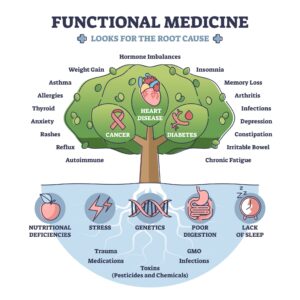
Functional medicine is a science-based, patient-centered approach that seeks to understand health concerns within the context of a person’s unique history, genetics, lifestyle, and environment.
Rather than looking at isolated organs or symptoms, functional medicine practitioners evaluate interconnected biological systems:
-
Nutritional status & dietary patterns
-
Gut microbiome & digestive health
-
Sleep quality & circadian rhythms
-
Stress response & endocrine balance
-
Environmental exposures & detox pathways
-
Comprehensive advanced laboratory testing
As described by The Institute for Functional Medicine (IFM), functional medicine focuses on the fundamental interactions that influence long-term health and complex chronic disease.
Is There an Official “Functional Medicine License”?
One critical distinction every practitioner must understand is that a functional medicine certification is NOT a medical license.
In the United States and most international jurisdictions, medical licenses are granted exclusively by government or state medical boards. Completing a functional medicine course does not independently grant legal authority to practice medicine, diagnose conditions, or prescribe medications.
Instead, functional medicine training serves as post-graduate continuing education. A licensed physician (MD/DO), nurse practitioner (NP), or registered dietitian (RD) uses functional medicine principles to expand their clinical toolkit within their existing legal scope of practice.
Step 1: Identify Your Existing Healthcare Qualifications
Before choosing a training program, evaluate your current clinical credentials. Admission criteria vary widely depending on the institution:
-
Advanced Clinical Certification Programs: Typically restricted to licensed clinicians with prescriptive authority or diagnostic privileges (MD, DO, NP, PA, ND, DC, PharmD).
-
Practitioner & Health Coach Programs: Open to registered nurses (RN), dietitians (RD), nutritionists, acupuncturists, and certified health coaches.
📚 Essential Amazon Resource for Beginners:
Before investing thousands in a formal certification, build a solid foundation by reading the foundational textbooks used by industry leaders. We highly recommend picking up The Disease Delusion by Dr. Jeffrey Bland (the father of functional medicine) or Textbook of Functional Medicine on Amazon to master the core concepts.
Step 2: Choose the Right Functional Medicine Training Program
There is no single universal “functional medicine degree.” Instead, clinicians can choose from various educational pathways:
-
Comprehensive Institute Certifications: Programs like the Institute for Functional Medicine (IFM) or the School of Applied Functional Medicine (SAFM) offer rigorous clinical tracks.
-
University Master’s Degrees: Several accredited universities now offer Master of Science (MS) degrees in Human Nutrition and Functional Medicine.
-
Targeted Clinical Workshops & Online Courses: Short-term training focusing on specific protocols like gut health, thyroid optimization, or autoimmune disease.
Step 3: Master the Core Clinical Concepts
A robust functional medicine curriculum teaches practitioners how to evaluate the body as an integrated network. Key pillars include:
-
Functional Nutrition: Understanding how micro- and macronutrients modulate gene expression and systemic inflammation.
-
Gut Health & Microbiome: Restoring gastrointestinal integrity to address autoimmune and metabolic disorders.
-
Advanced Lab Interpretation: Analyzing comprehensive stool tests, organic acid tests (OAT), and advanced hormone panels.
🌿 Featured ClickBank Offer — Clinical Protocol Companion:
Looking for proven, ready-to-use patient protocols to support gut repair and microbiome balance? Discover the Advanced Gut Rebalance & Microbiome Protocol on ClickBank. This comprehensive digital system provides clinical guides, meal plans, and client handouts you can integrate into your wellness practice immediately!
Step 4: Complete Coursework and Hands-On Case Studies
Depending on the program depth, coursework can take anywhere from a few months to two years. Most comprehensive certifications require:
-
Completion of core modules (e.g., GI, Detox, Cardiometabolic, Hormone, Immune)
-
Passing written examinations
-
Submitting real-world clinical case studies for peer review
-
Accumulating Continuing Medical Education (CME) credits
Step 5: Understand Certification vs. Scope of Practice
Maintaining professional boundaries is critical for clinical safety and legal compliance. Functional medicine training does not expand your legal scope of practice.
-
For Physicians & NPs: Allows for more nuanced lab ordering, targeted lifestyle interventions, and integrative treatment plans.
-
For Dietitians & Health Coaches: Enables deeper nutritional assessment and client education without crossing into medical diagnosis or drug prescription.
Step 6: Equip Your Practice with the Right Tools
Transitioning into functional medicine requires integrating functional nutrition, client tracking tools, and high-quality educational references.
Recommended Books & Practice Tools on Amazon:
-
📖 Unconventional Medicine by Chris Kresser — A brilliant roadmap on how to build a successful, patient-centered functional medicine practice.
-
📖 Food: What the Heck Should I Eat? by Dr. Mark Hyman — An accessible guide for crafting individualized patient diets.
-
🩸 Digital Blood Pressure & Biomarker Monitors on Amazon — Essential home-monitoring tools for your patients’ daily lifestyle tracking.
Step 7: Commit to Continuous Learning
Functional medicine is an evolving field backed by ongoing clinical research. After getting certified, practitioners should stay updated through:
-
Attending annual functional medicine conferences
-
Reading peer-reviewed medical journals on nutrigenomics and immunology
-
Participating in clinical case mentorship groups
How Much Does Certification Cost and How Long Does It Take?
-
Timeline: Short introductory courses take 2–6 weeks, while full clinical certification programs generally take 1 to 2 years.
-
Cost: Expect to invest anywhere between $1,500 and $12,000+, depending on the institution, CME credits provided, and examination fees.
Final Thoughts: Start Your Functional Medicine Journey Today
Getting certified in functional medicine allows healthcare providers to deliver deeply personalized, root-cause care that restores true health to patients struggling with chronic illness. By choosing a reputable, evidence-informed program, you can elevate your practice while staying safely within your professional scope.
Ready to take the next step in your functional medicine journey?
-
Build Your Clinical Knowledge: Grab a copy of the Top-Rated Functional Medicine Textbooks & Clinical Guides on Amazon to start mastering root-cause medicine today!
-
Access Ready-Made Patient Protocols: Streamline your practice and help clients optimize their health with the Comprehensive Functional Wellness & Protocol System on ClickBank.