
Mental and emotional well-being are important parts of living a healthy and balanced life. However, emotional challenges are not always influenced by psychological factors alone. Sleep, nutrition, physical activity, relationships, stress, and everyday experiences can also affect how people feel.
This is why many people are becoming interested in a holistic approach to counseling.
Holistic counseling considers the whole person rather than focusing exclusively on individual symptoms. It recognizes the connections between mental health, physical wellness, emotions, personal values, and lifestyle habits.
By combining professional counseling with appropriate wellness practices, individuals may develop healthier coping skills, improve self-awareness, and work toward meaningful personal goals.
 1. What Is a Holistic Approach to Counseling?
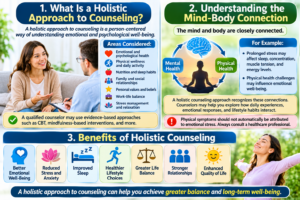
A holistic approach to counseling is a person-centered way of understanding emotional and psychological well-being.
Traditional counseling may focus on specific concerns, such as anxiety, relationship difficulties, stress, or changes in mood. Holistic counseling also considers how other areas of life may influence these experiences.
These areas can include:
- Emotional and psychological health.
- Physical wellness and daily activity.
- Nutrition and sleep habits.
- Family and social relationships.
- Personal values and beliefs.
- Work-life balance.
- Stress management and relaxation.
A qualified counselor may use evidence-based approaches such as cognitive behavioral therapy (CBT), mindfulness-based interventions, and other appropriate counseling methods.
The goal is to understand each person’s circumstances and develop a treatment plan that reflects their individual needs.
2. Understanding the Mind-Body Connection
The mind and body are closely connected.
For example, prolonged stress may affect sleep, concentration, muscle tension, and daily energy levels. Similarly, ongoing physical health challenges may influence emotional well-being.
A holistic counseling approach recognizes these connections.
Counselors may help individuals explore how daily experiences, emotional responses, and lifestyle habits interact.
Understanding these patterns can make it easier to identify practical areas for improvement.
However, physical symptoms should not automatically be attributed to emotional stress. Medical concerns should be evaluated by an appropriate healthcare professional.
 3. Benefits of Holistic Counseling
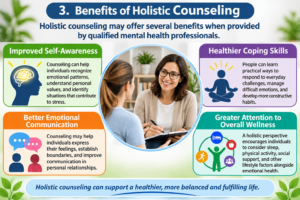
Holistic counseling may offer several benefits when provided by qualified mental health professionals.
Improved Self-Awareness
Counseling can help individuals recognize emotional patterns, understand personal values, and identify situations that contribute to stress.
Healthier Coping Skills
People can learn practical ways to respond to everyday challenges, manage difficult emotions, and develop more constructive habits.
Better Emotional Communication
Counseling may help individuals express their feelings, establish boundaries, and improve communication in personal relationships.
Greater Attention to Overall Wellness
A holistic perspective encourages individuals to consider sleep, physical activity, social support, and other lifestyle factors alongside emotional health.
Personalized Support
Every person has different experiences and goals. A qualified counselor can adapt their approach to individual circumstances.
4. Mindfulness and Meditation in Holistic Counseling
Mindfulness is a practice that involves paying attention to the present moment with openness and without immediate judgment.
Some counselors incorporate mindfulness exercises into their work with clients when appropriate.
Examples include:
- Guided mindfulness exercises.
- Comfortable breathing practices.
- Short meditation sessions.
- Present-moment awareness.
- Relaxation activities.
Mindfulness-based approaches have been studied for stress, anxiety symptoms, and emotional well-being.
However, they are not appropriate for every person or every situation. A counselor can help determine whether these practices are suitable.
Helpful Wellness Resource – ClickBank
Educational mindfulness resources can introduce people to relaxation techniques and general wellness concepts.
Explore mindfulness and emotional wellness education
5. The Role of Nutrition and Physical Activity
Physical wellness can contribute to emotional well-being.
A balanced diet provides nutrients needed for normal body functions, while appropriate physical activity supports general health.
Holistic counseling may encourage individuals to discuss lifestyle habits that influence their overall wellness.
Useful habits include:
- Eating balanced and varied meals.
- Maintaining regular physical activity.
- Following a consistent sleep schedule.
- Taking breaks during demanding days.
- Spending time outdoors when possible.
These habits should complement professional mental healthcare rather than replace counseling or other recommended treatments.
 6. How to Find the Right Holistic Counselor
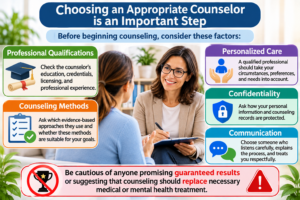
Choosing an appropriate counselor is an important step.
Before beginning counseling, consider these factors:
Professional Qualifications: Check the counselor’s education, credentials, licensing, and professional experience.
Counseling Methods: Ask which evidence-based approaches they use and whether these methods are suitable for your goals.
Personalized Care: A qualified professional should take your circumstances, preferences, and needs into account.
Confidentiality: Ask how your personal information and counseling records are protected.
Communication: Choose someone who listens carefully, explains the process, and treats you respectfully.
Be cautious of anyone promising guaranteed results or suggesting that counseling should replace necessary medical or mental health treatment.
7. Everyday Wellness Tools That May Support Your Routine
Some practical products can help organize daily wellness activities.
Wellness Journals
Writing down daily experiences, personal goals, and questions can help individuals reflect on their routines.
A journal can also provide a convenient place to prepare topics for counseling appointments.
Explore wellness journals and guided self-care planners on Amazon
Meditation Accessories
A comfortable meditation cushion may help create a dedicated space for relaxation and mindfulness practice.
Discover meditation cushions and comfortable wellness accessories on Amazon
Books About Emotional Wellness
Educational books can introduce general concepts related to emotional awareness, personal development, and healthy communication.
Browse personal development and wellness books on Amazon
These products are optional wellness tools. They do not replace professional counseling or mental health treatment.
8. Building a Healthy Daily Routine
A sustainable routine can help support general wellness between counseling sessions.
Consider these simple practices:
| Wellness Area | Helpful Daily Habit |
|---|---|
| Emotional health | Make time for reflection |
| Sleep | Maintain a regular bedtime |
| Physical activity | Choose appropriate daily movement |
| Nutrition | Eat balanced meals |
| Relationships | Maintain supportive connections |
| Stress management | Practice relaxation techniques |
You do not need to change everything at once. Start with manageable habits and adjust your routine according to your individual circumstances.
Educational Resource – ClickBank
For additional learning, an educational program about mindfulness, self-awareness, or personal development may offer structured information and exercises.
Discover personal development and holistic wellness resources
Choose educational programs carefully and avoid resources that make unrealistic mental health claims.
9. When Should You Consider Professional Counseling?
Professional counseling may be helpful when emotional or personal challenges begin affecting everyday life.
Consider speaking with a qualified mental health professional if you experience persistent stress, relationship difficulties, emotional distress, problems with daily functioning, or difficulty coping with major life changes.
You do not need to wait until a problem becomes severe before seeking support.
A counselor can help assess your needs, discuss appropriate options, and develop a personalized plan.
If symptoms are severe or urgent, seek appropriate professional mental health care rather than relying on self-help resources alone.
10. Final Thoughts on a Holistic Approach to Counseling
A holistic approach to counseling recognizes that emotional well-being is connected to many aspects of everyday life.
By considering mental health, physical wellness, relationships, sleep, and lifestyle habits together, individuals can develop a broader understanding of their personal needs.
Professional counseling, evidence-based psychological approaches, and realistic wellness habits can work together to support personal growth and emotional well-being.
At Holistic Family Med, our goal is to provide educational information about integrative healthcare, emotional wellness, healthy lifestyles, and practical approaches to whole-person health.
Taking time to understand yourself and seeking qualified support when needed can be meaningful steps toward better overall well-being.
Medical Disclaimer
This article is for educational purposes only and does not provide psychological or medical diagnosis, treatment, or professional counseling. Consult a qualified mental health professional or healthcare provider for individual concerns.
Affiliate Disclosure
This article may contain affiliate links. Holistic Family Med may earn a commission from qualifying purchases made through these links, at no additional cost to the reader.